

Wall-Mounted Shelving That Actually Works
Learn how to install floating shelves that hold weight and look clean. We cover everything from stud-finding to load calculations.
Your storage doesn't have to be separate from your workspace. We'll show you how to merge both into one cohesive design that actually works for your daily routine.
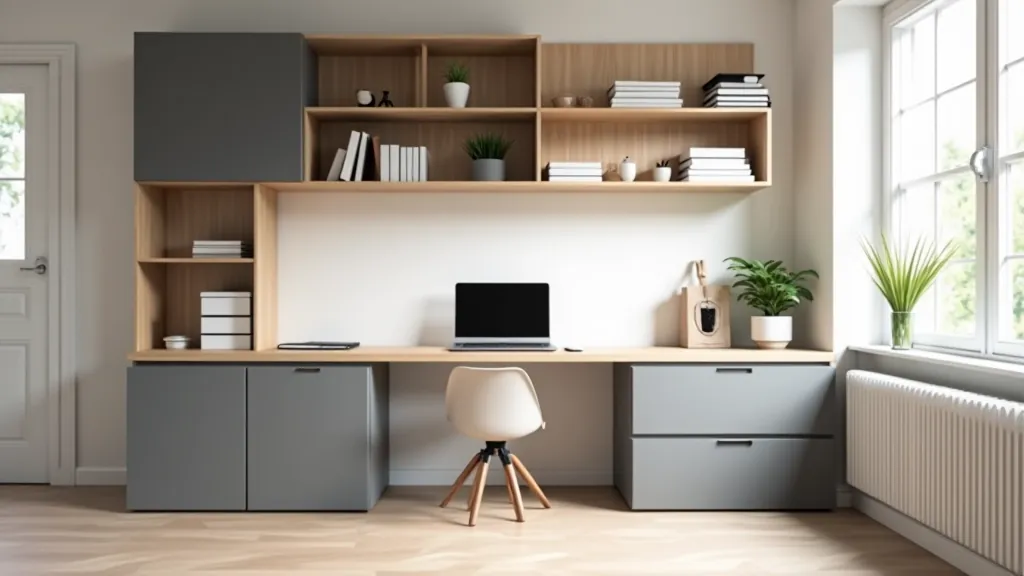
Most home offices treat storage and workspace as two different problems. You've got your desk over there, shelves on that wall, cabinets tucked somewhere else. It's fragmented. Your supplies end up scattered, your workspace feels cramped, and you're constantly reaching or walking around to find what you need.
Here's the thing though — they don't have to be separate. When you combine storage directly with your work surface, something clicks. Everything you reach for is right there. Your desk doesn't disappear under piles of materials. And honestly, the whole room feels more intentional.
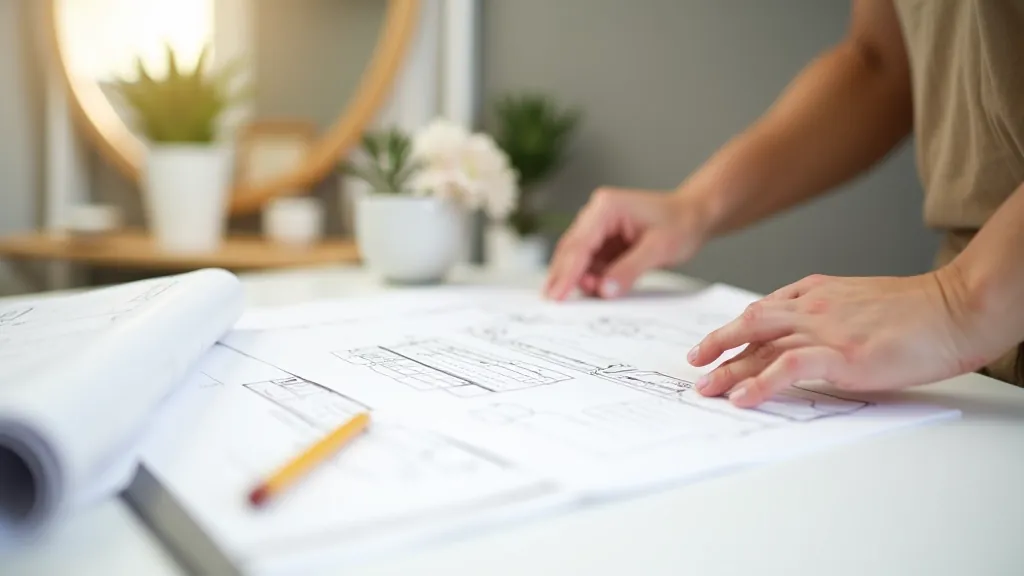
Before you drill any holes, think about how you actually work. Do you need deep storage for files? Shallow shelves for quick-grab supplies? Open cubbies for visual organization? The answer shapes everything that comes next.
Most people find a hybrid approach works best. You'll want some closed storage to hide the mess — filing cabinets, closed boxes, that kind of thing. But you'll also want open shelving or pegboard for the stuff you use constantly. The ratio depends entirely on your workflow. If you're working with paper and binders, you might go 60% closed, 40% open. If you're more visual and project-based, flip it around.
Here's a practical starting point: measure your wall space. Most home offices can work with 8-10 feet of horizontal wall. That's enough for a 48-inch desk plus about 60 inches of storage flanking it, or a 60-inch desk with storage above. Don't try to cram everything into one wall — it looks chaotic and defeats the purpose.
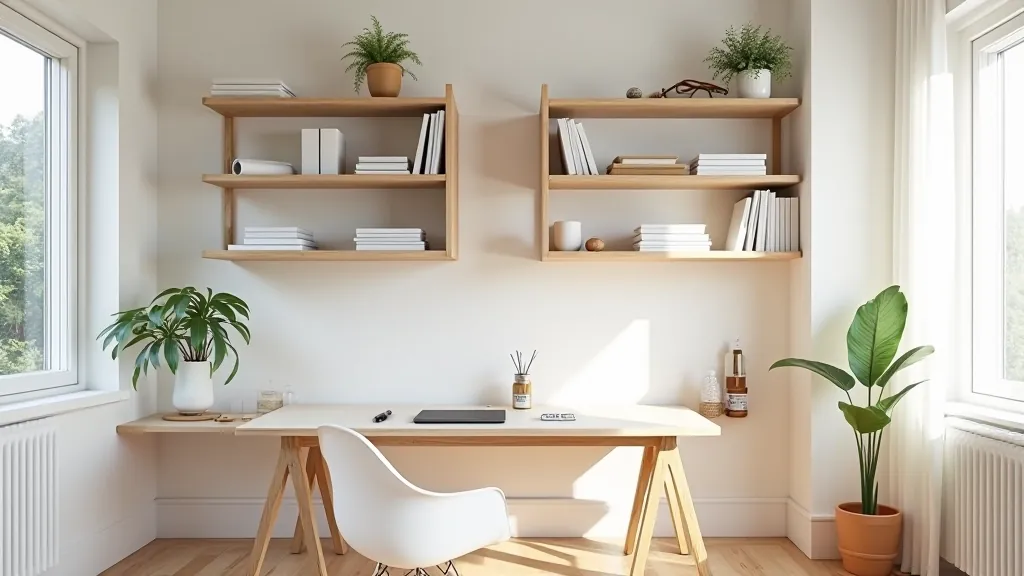
Wood shelves feel warm and work well in most homes. They're forgiving with weight — you can load them up without worrying too much. Floating shelves are popular, but honestly, they're not the best for heavy daily use. A traditional bracket system with visible supports is more reliable if you're actually using this for work.
Metal frames with wood or laminate surfaces are becoming more common, and there's a reason. They're sturdy, adjustable, and you can reconfigure them as your needs change. Plus they photograph better if you're someone who cares about that stuff.
The materials should match your aesthetic, sure. But don't sacrifice function for looks. A shelf that sags under the weight of your printer isn't beautiful — it's frustrating. If you're mounting directly to studs, you can handle 30-40 pounds per shelf. If you're using drywall anchors, cut that in half. Know your wall situation before you buy.
Wall mounting requires finding studs and using appropriate fasteners for your wall type. Every home is different — plaster, drywall, brick, concrete all require different approaches. If you're unsure about your wall or uncomfortable with installation, consult a professional. Poor installation can result in damage or safety issues. This guide provides general design principles; actual installation should match your specific wall conditions and local building codes.
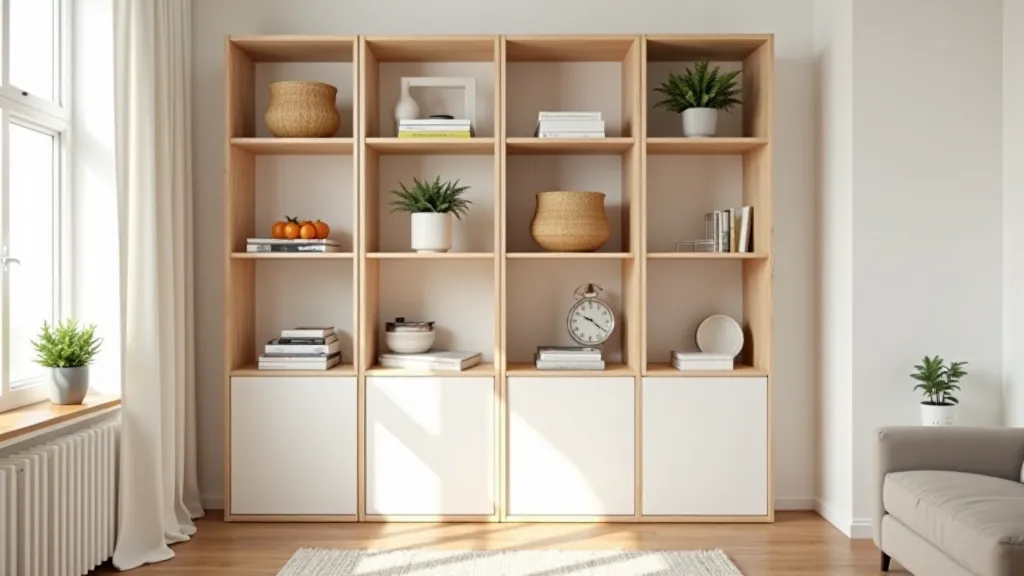
The magic happens when your storage integrates with your desk height and reach. Your primary work surface should be at 28-30 inches high — standard desk height. Everything you use multiple times daily should be accessible from your seated position, ideally between shoulder height and mid-chest.
Above that? That's for less-frequent items. Archive boxes, reference materials, that printer you use once a week. Below the desk, you might have closed storage — filing drawers or cabinets that hide things you need to access but don't need to see.
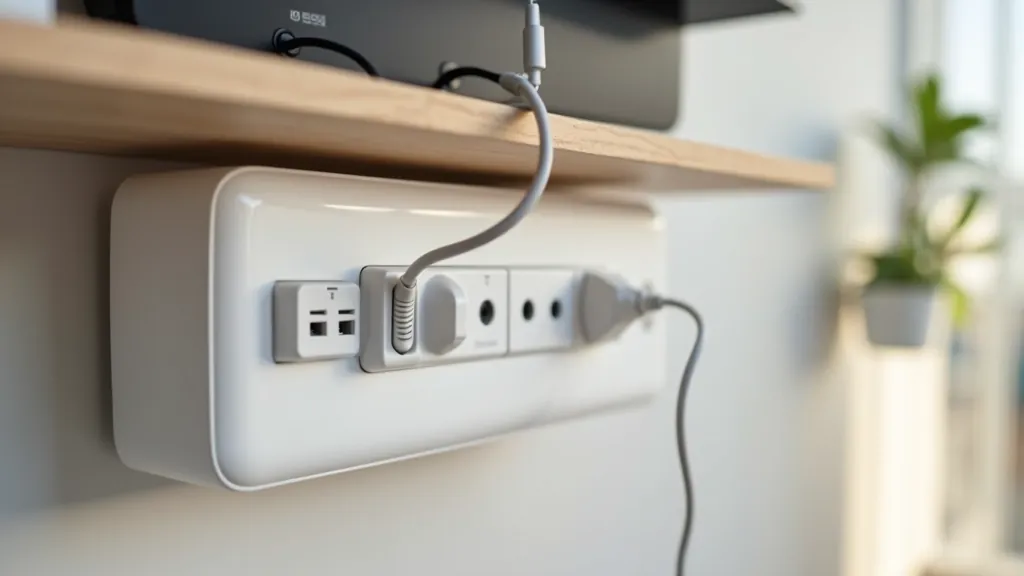
Cable management matters more than people think. When you're combining storage and workspace, cables can become visual chaos. Plan for cable runs within your shelving system. Most quality shelving systems have cable management clips or channels built in. Use them. Your future self will appreciate the tidiness.
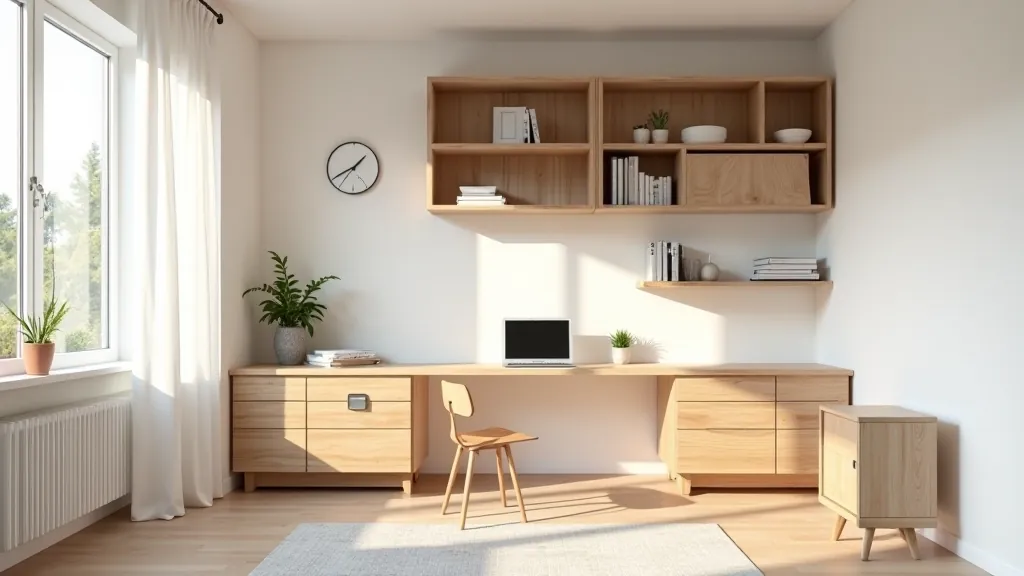
In smaller rooms — and most home offices are small — vertical storage is non-negotiable. You're trading horizontal space (which you don't have) for vertical space (which is usually available). A 12-foot wall with shelving from 18 inches to 84 inches high gives you way more storage than a chest of drawers that takes up 20 square feet of floor space.
The visual balance matters. If you load one side of your workspace with heavy storage and leave the other empty, it'll feel lopsided. Mirror your storage on both sides of the desk, or at least make it feel intentional. Symmetry isn't required, but balance is.
Consider lighting too. Shelves cast shadows. If you're working during the day and relying on natural light, that's usually fine. But if you work early mornings or evenings, you might need task lighting. Some shelving systems include built-in LED strips. They're worth the investment if you're setting this up as a permanent workspace.
When storage and workspace merge into one system, something changes. You stop seeing it as clutter management. It becomes part of how you work. Everything has a place. Your desk stays clear. Your room feels bigger. And most importantly, you're more productive because you're not constantly searching for things.
Start with your actual workflow. What do you use daily? Every hour? Every week? Build your wall system around those items first, then add everything else. Don't try to store things just because you have the space. Keep it focused. Keep it functional.
That's the whole point of combining storage with function — it's not about having beautiful shelves. It's about creating a workspace that actually works for how you live.