
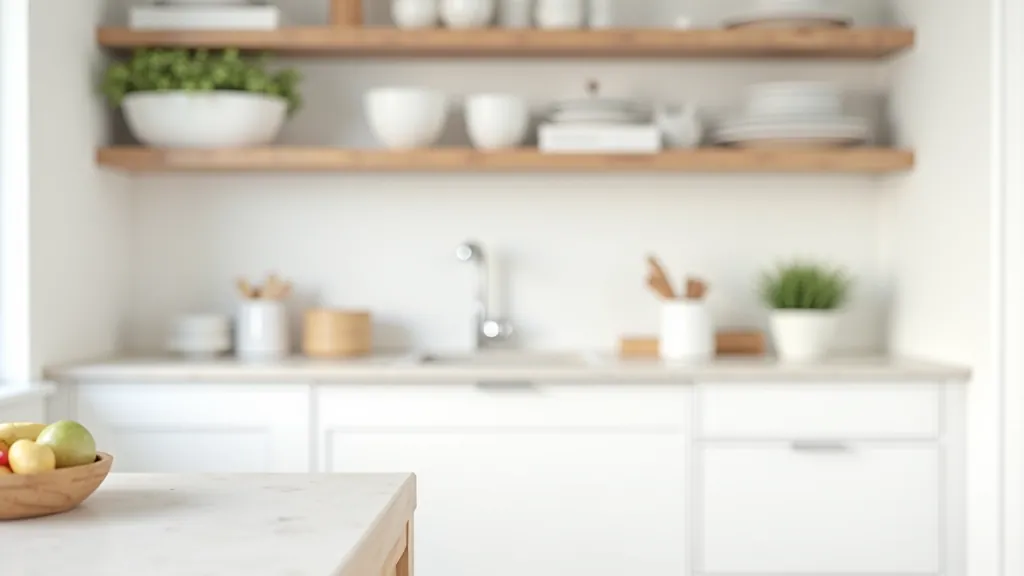
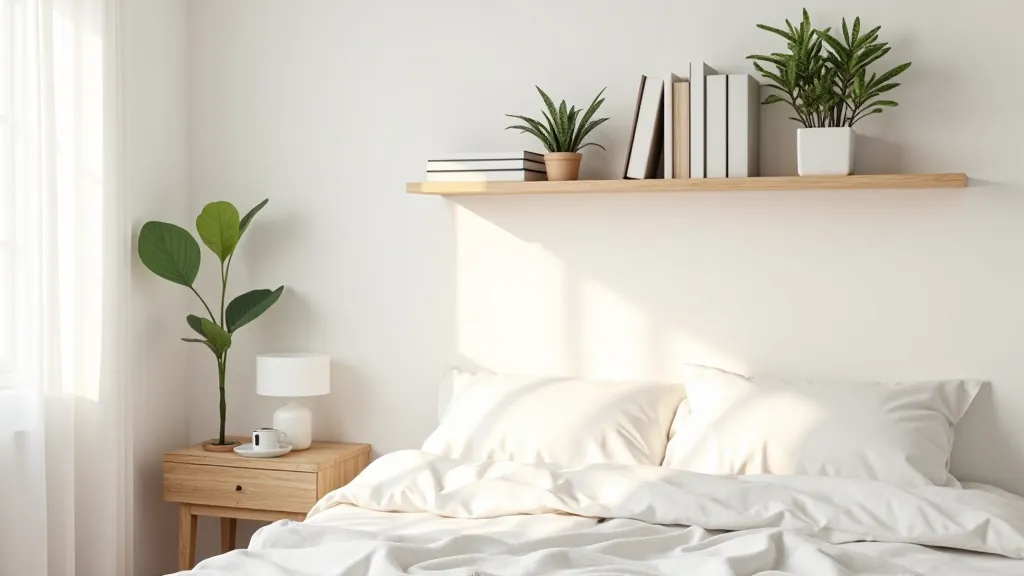
Open shelving gets a lot of hype in design magazines, but here's the truth: it only works when you're intentional about it. In small spaces especially, shelves become part of your decor whether you like it or not. They're not just storage — they're visible all day long.
The good news? Open shelves can actually make a small room feel bigger. They don't visually break up the space like cabinet doors do. But getting there requires real planning. It's not just about putting stuff on a shelf and hoping it looks nice.
Start With Vertical Space
Small rooms need to use every inch. That's where open shelves shine — you're utilizing wall space that'd otherwise sit empty. The key is going vertical rather than wide. Instead of three long shelves, consider five or six narrower ones.
Why? Shorter shelves look less heavy and let you create visual rhythm. They also force you to be selective about what you display. You can't just throw everything up there. Each shelf becomes its own little composition.
Heights matter too. Standard spacing is 12 to 15 inches between shelves, but in tight spaces, you might go closer — around 10 inches. This works if you're storing small items like cookbooks, plants, or dishware. Taller items obviously need more clearance.
Keep in Mind
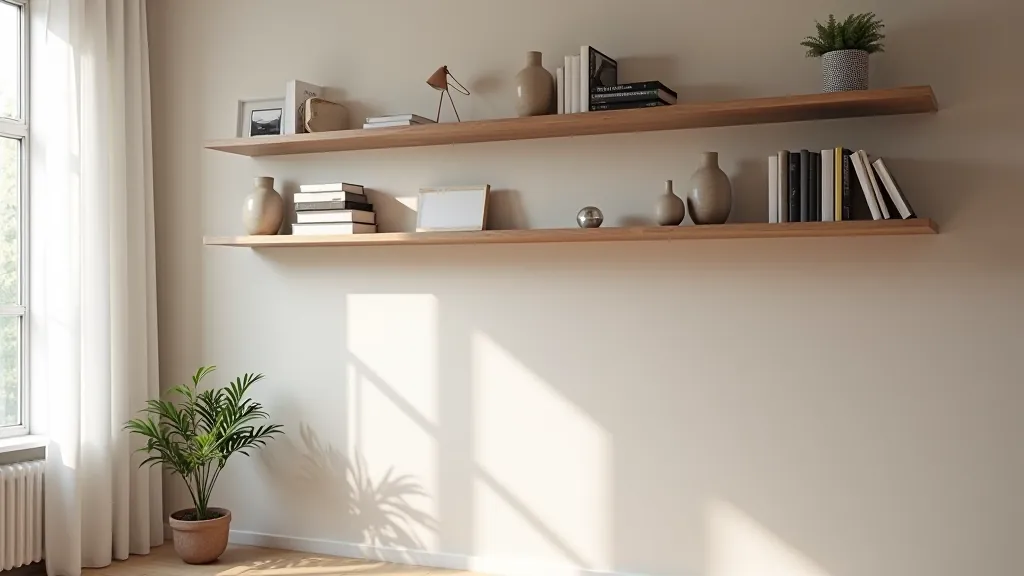
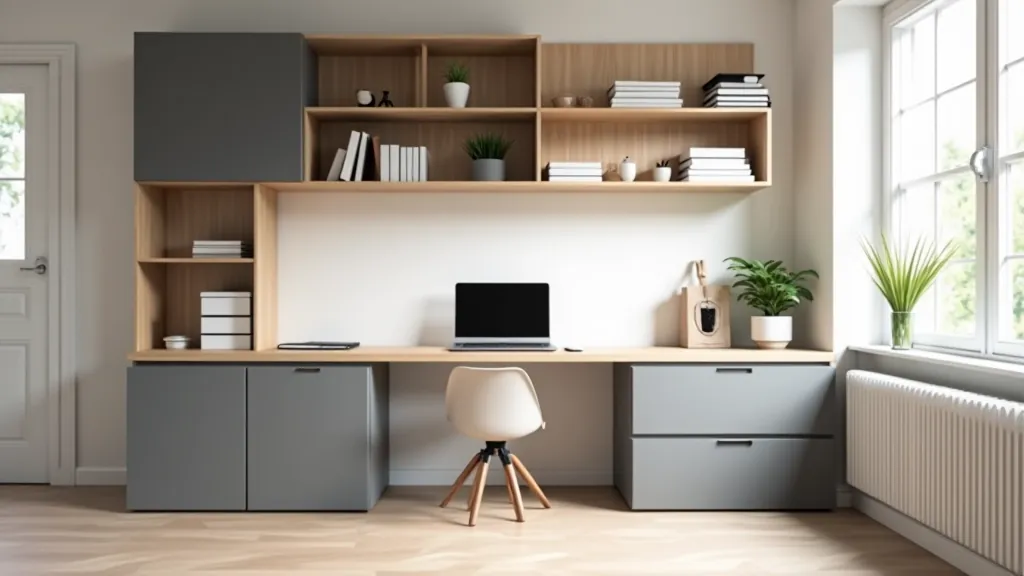
Open shelving works best when you're willing to maintain it. Dust settles on exposed items, and you can't hide things behind doors. If you're someone who prefers out-of-sight storage, hybrid approaches work better — mixing open shelves with closed cabinets below.
Limit Your Color Palette
Here's where most people go wrong: they fill shelves with too many colors. In a small space, this creates visual noise. You'll feel cramped even if you're technically organized.
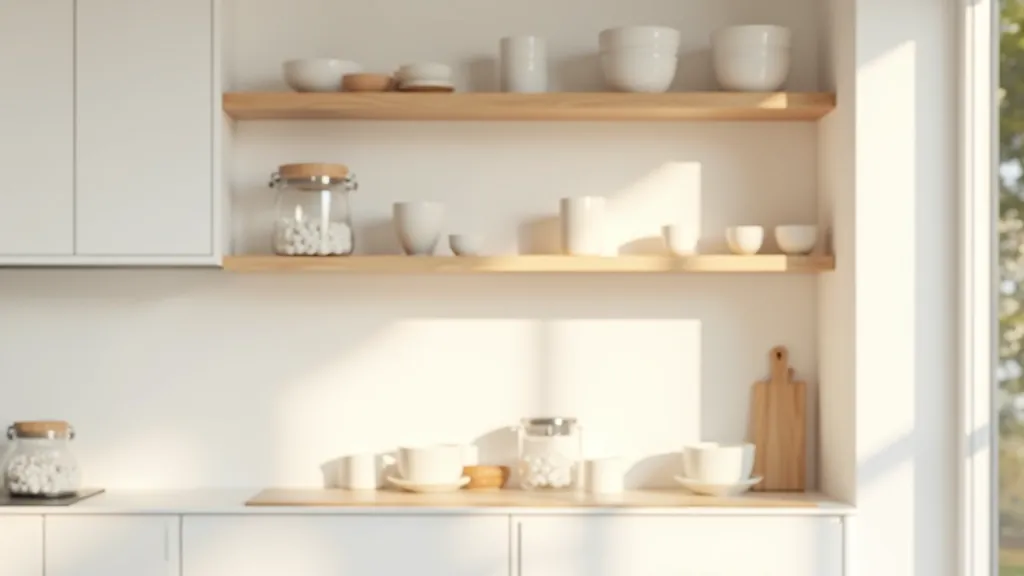
Stick to three colors maximum. Ideally, choose one neutral base — white, cream, or natural wood — then add two accent colors. For example: white dishes, natural wood cutting boards, and one pop of green from a plant. That's it.
This approach isn't about being boring. It's about creating visual calm. When your shelves aren't fighting for attention, the whole room breathes better. Your eye doesn't bounce around trying to process everything at once.
The Rule of Thirds
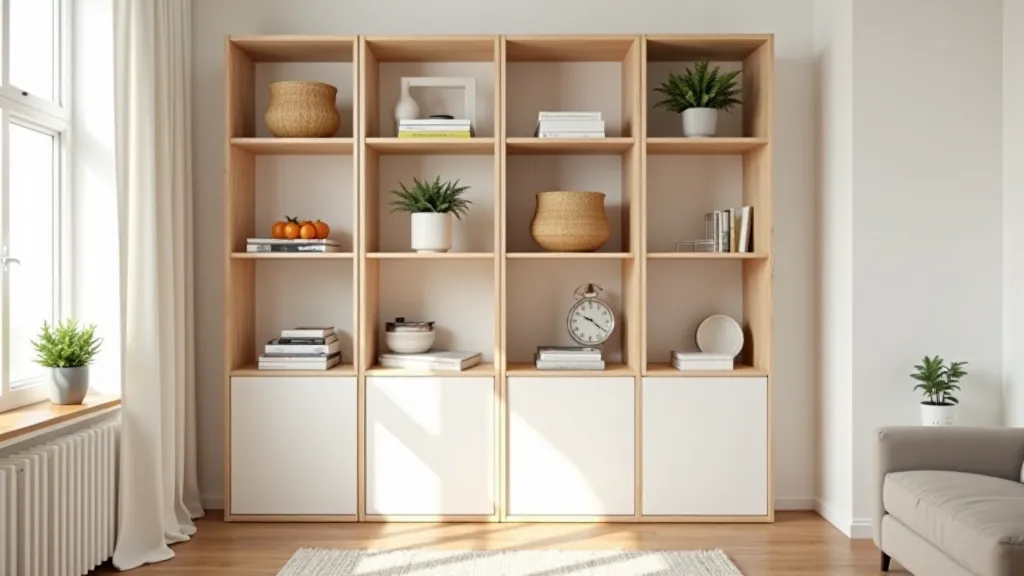
Think of each shelf as divided into three sections. One section holds functional items — things you actually use. One section has decorative pieces — a plant, a framed photo, a small bowl. One section stays breathing room — empty space.
This isn't a hard rule, but it works. Empty space on a shelf makes everything else feel intentional. It's the difference between "I'm storing things" and "I'm styling a space." In small rooms, that difference matters because every inch is visible.
You don't need expensive decor either. A simple glass, a wooden spoon, a paperback book, a potted succulent — these are the kinds of items that look good on open shelves. Real things people actually use and live with.
Making It Work for Your Space
Open shelving in small spaces isn't complicated, but it does require intention. You're choosing to make your storage visible, which means treating it like part of your design.
Start vertical. Keep colors calm. Leave breathing room. These three principles will take you most of the way there. After that, it's about living with your shelves for a few weeks and adjusting what doesn't feel right.
The real payoff? A room that feels bigger and more open. No heavy cabinets blocking your sightlines. Just clean walls, smart storage, and a space that breathes. That's worth the effort of keeping things tidy.
Want to explore more storage solutions for your home?
Browse All Articles