
Modular Storage Systems: Building Your Perfect Setup
Start small and expand as you need. We'll walk you through choosing the right pieces, arranging them to fit your space, and making it all look intentional.
Why Modular Systems Work
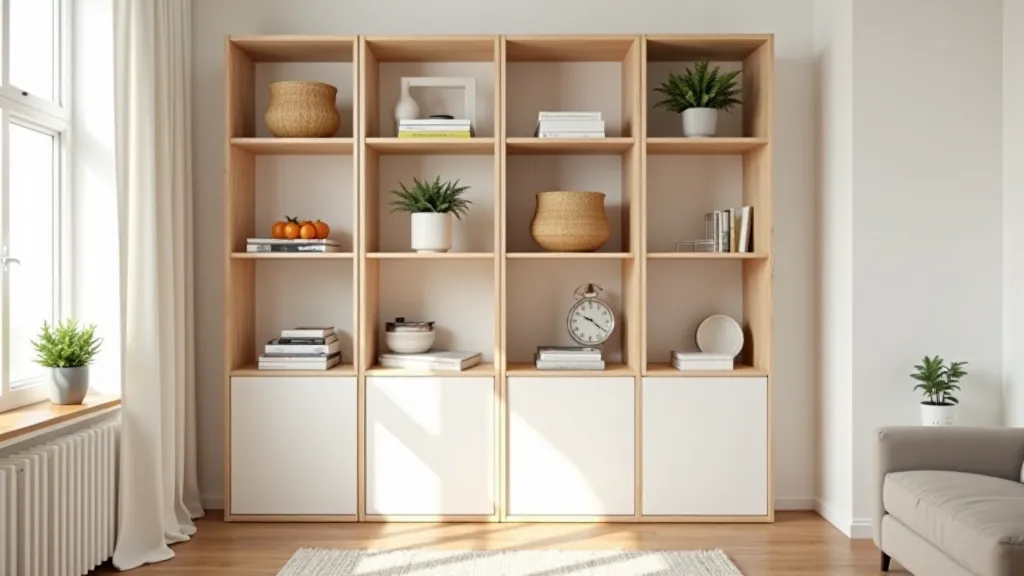
Modular storage isn't just a trend. It's practical, flexible, and actually grows with your life. You don't need to commit to a massive unit right away—you're building something that adapts as your needs change.
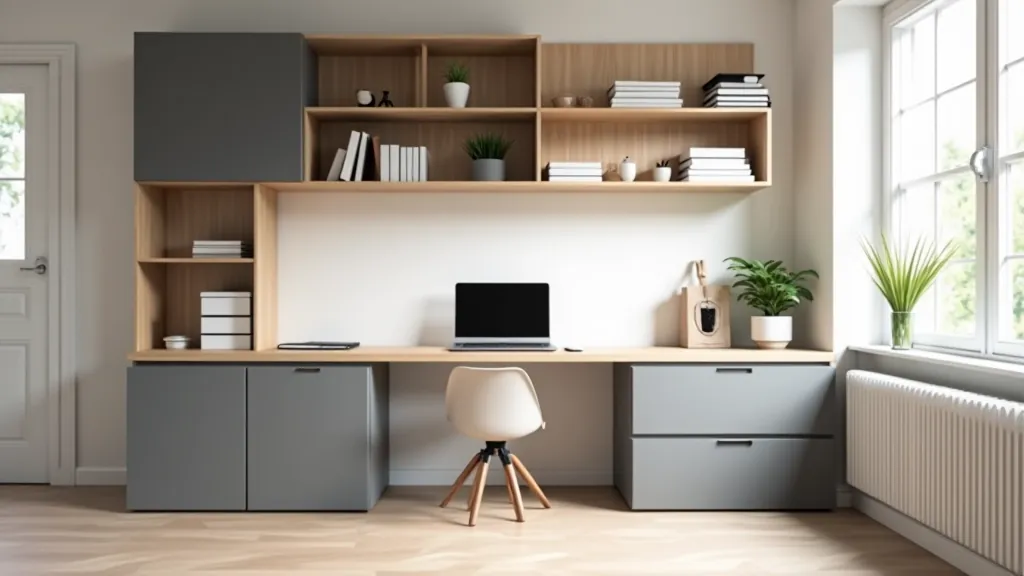
The beauty is in the flexibility. Start with two cubes and a shelf. Six months later, add another section. A year from now, you've got a complete wall system that feels like it was designed specifically for your space. That's the modular advantage.


Choosing Your First Pieces
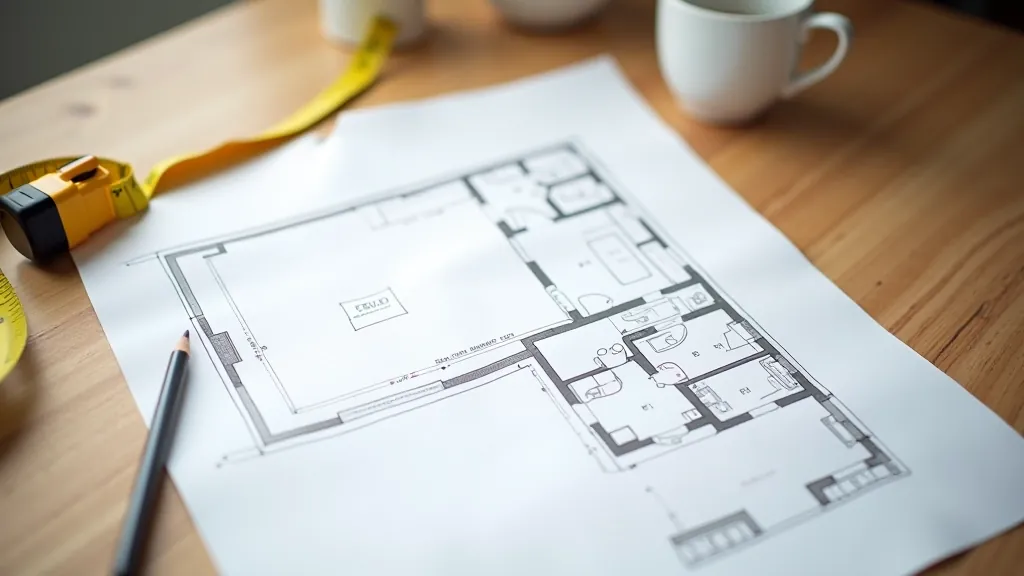
Before you buy anything, measure your space. Don't estimate—actually use a tape measure. You'll need the wall height, width, and depth where you're placing the system. It's not complicated, but it saves you from buying pieces that won't fit.
Think about what you're storing. Books? Decorative items? Everyday stuff you need quick access to? Your answer determines which modules work best. Open cubes are great for display. Closed cabinets hide clutter. A mix gives you flexibility—you can decide later.
Start with a base unit. Most systems recommend beginning with 2-3 modules in your first phase. You're building confidence and seeing how the system works in your actual space. It's not a huge investment, and you'll know exactly what to add next.
About This Guide
This article provides educational information about modular storage design and installation considerations. It's not a substitute for professional installation advice. Always follow manufacturer instructions, check weight limits for your specific modules, and consult a professional if you're unsure about wall mounting or load-bearing capacity. Your actual results depend on your specific space, wall construction, and how you assemble and use your system.
Arranging Your Layout
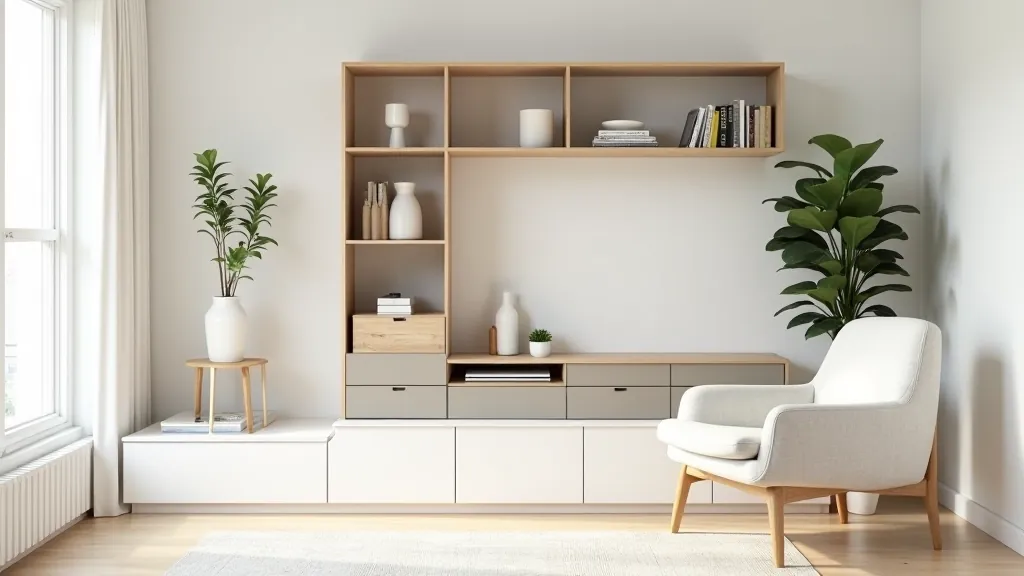
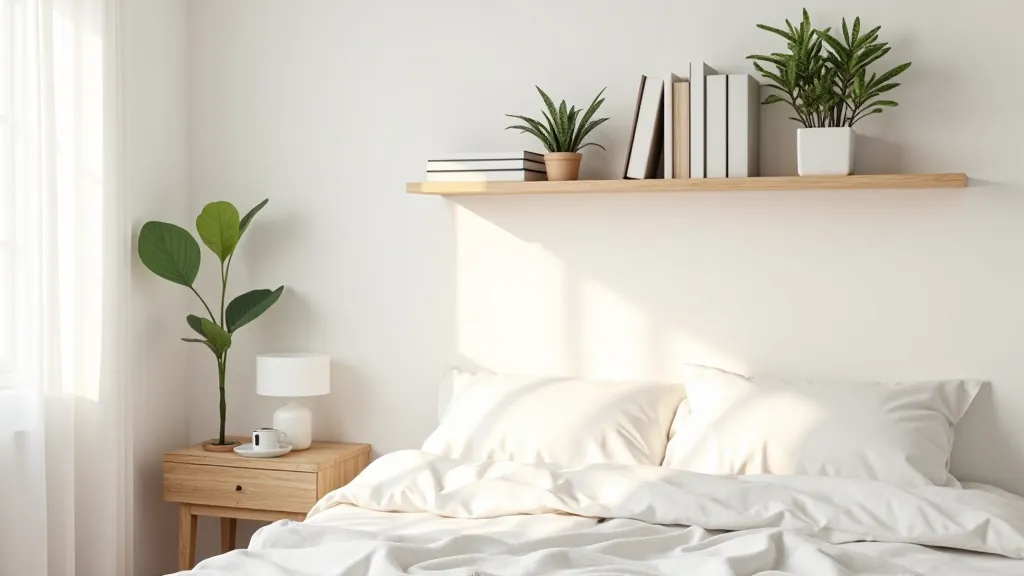
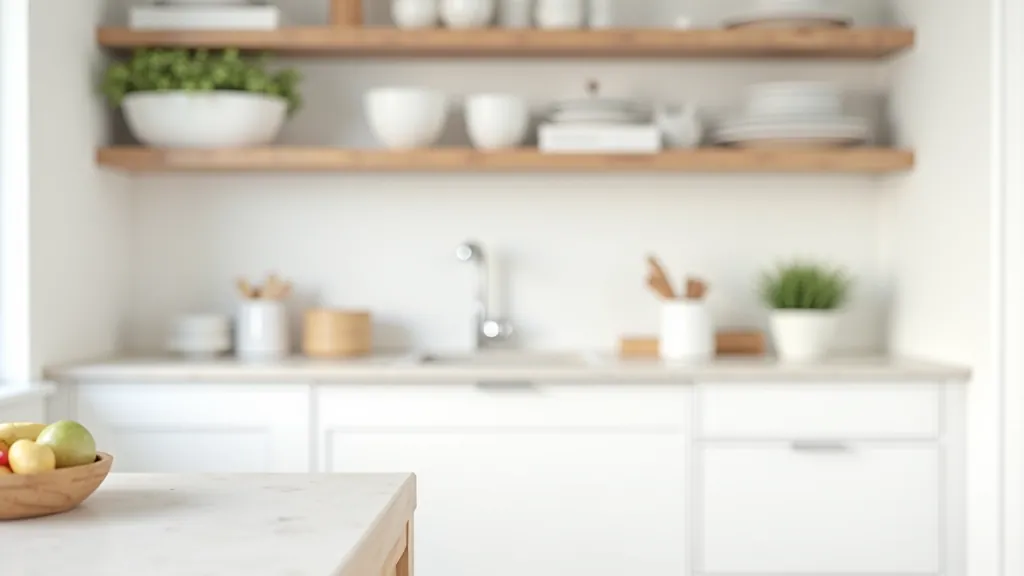
The layout matters more than most people realize. Don't just stack everything in a grid. Stagger the heights. Put open shelves next to closed units. Create visual rhythm by varying what's on display and what's hidden. This is where modular systems shine—they don't force you into one boring arrangement.
Consider the eye line. Roughly 60 inches from the floor is where people naturally look. Put things you want to display around that height. Store everyday items at arm reach (28-54 inches). Keep rarely-used stuff up high or down low. It's not just about looks—it's about actually using your storage efficiently.
Weight distribution matters too. Don't load all the heavy stuff on one shelf. Spread it across different modules. Most modular systems can handle significant weight, but balance it properly. A wall full of books on one side and nothing on the other isn't just ugly—it's structurally unbalanced.
Making It Look Intentional
Here's the difference between storage that looks cobbled together and storage that looks designed: intentionality. You're not just throwing stuff on shelves. You're curating what you display and how you arrange it.
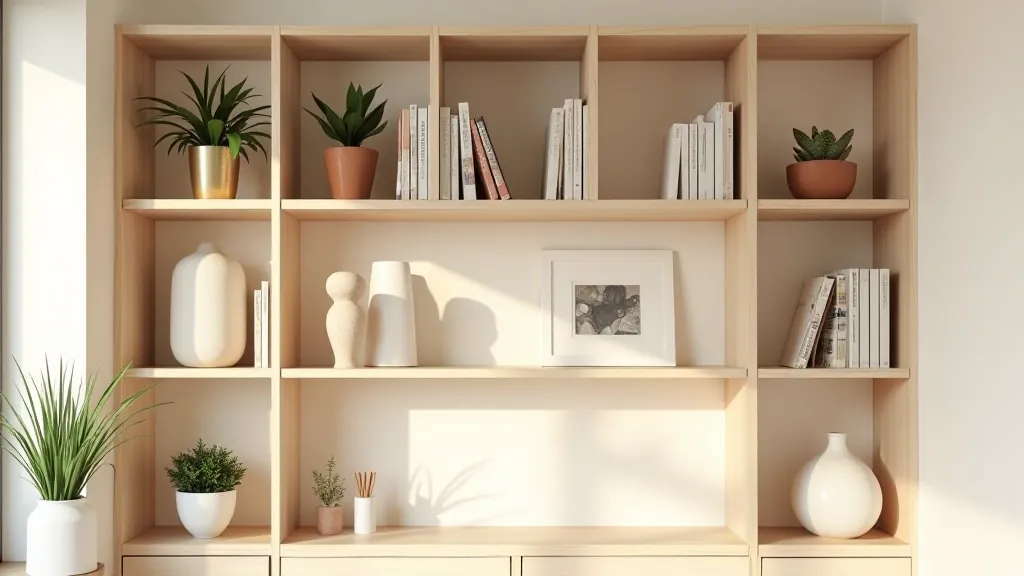
Follow the 60-30-10 rule. Sixty percent of your visible shelf space is functional items you actually use. Thirty percent is things you love looking at—books with nice spines, plants, meaningful objects. Ten percent is empty space, which sounds wasteful but actually makes everything look better. It gives your eye places to rest.
Group things by category and color when possible. Don't scatter similar items across different shelves. Put your art books together. Stack notebooks by color. Keep decorative objects in clusters of 3-5 rather than spreading them thin. This approach feels organized without being sterile.
Remember: modular systems are tools, not solutions. They're only as good as how you use them. The best setup is the one that actually gets used, stays organized, and makes your space feel more functional and beautiful at the same time.
Related Articles
Building Your System Takes Time
You don't need to have the perfect setup on day one. That's actually the point of modular systems. You start with what you need now, and you grow from there. Each addition teaches you something about your space, your habits, and what actually works for you.
Take your time. Measure twice. Start with quality base pieces. Arrange thoughtfully. And remember—the best storage system is the one you'll actually use and maintain. Modular gives you the flexibility to get there without forcing you into someone else's vision of how your space should work.